

If you think alcohol alternatives are a 2026 trend, think again. Long before “zero-proof spirits” became a category and non-alcoholic cocktails earned menu space at upscale bars, cultures around the world were already crafting drinks designed for ritual, flavor, and social connection — without intoxication. The global history of alcohol alternatives reveals something powerful: drinking has never only been about alcohol. It’s always been about experience.
Islamic Golden Age: Flavor Without Fermentation
During the Islamic Golden Age, alcohol consumption was largely prohibited under Islamic law — but hospitality culture flourished. Instead of fermented drinks, people embraced sharbat: vibrant, fruit-based beverages infused with herbs, flowers, and spices. These drinks weren’t substitutes. They were sophisticated creations in their own right, often chilled with snow and served in ornate vessels.
Rosewater, pomegranate, tamarind, and citrus syrups were layered with intention. The idea of a complex, non-alcoholic drink with balance and structure? That’s centuries old.
Colonial America’s “Small Drinks”
In early Colonial America, not everyone reached for hard spirits all day. Households made small beers and low- or no-alcohol beverages like root infusions, cider vinegar tonics, and herbal teas. While some drinks contained trace fermentation, many were consumed primarily for hydration and nutrition.
More importantly, taverns and homes offered options that weren’t designed for intoxication. Social drinking didn’t automatically equal getting drunk. It was about gathering, warmth, and routine — something today’s alcohol-free movement is reclaiming with modern mocktails and zero-proof spirits.
Japan’s Tea Ceremonies: Ritual Over Buzz
In Japan, centuries-old tea traditions elevated non-alcoholic beverages into cultural art forms. The formalized practices refined during the Edo period transformed tea into a social ritual centered on mindfulness, presence, and aesthetics.
No intoxication. No altered state. Just connection and intention.
That same energy is driving today’s sober-curious culture — the idea that what you hold in your glass can signal care, craft, and community without requiring alcohol at all.
The 19th-Century Temperance Bars
By the 1800s, the temperance movement spread through parts of United States and United Kingdom. Alcohol-free bars and “temperance drinks” emerged, offering botanical tonics, sparkling fruit drinks, and early soda fountain creations.
These spaces weren’t just moral statements. They were innovation hubs. Carbonation technology, flavored syrups, and mixed drinks without spirits gained popularity. In many ways, the blueprint for modern zero-proof cocktail culture was sketched out in these alcohol-free gathering spots.
The Modern Revival Isn’t New — It’s a Return
The current rise of alcohol-free spirits, sober curiosity, and non-alcoholic cocktails isn’t a rebellion against history. It’s a continuation of it.
Across cultures and centuries, people have always created beverages that prioritize flavor, ritual, and connection over intoxication. What’s new isn’t the concept — it’s the branding, the bottle design, and the mainstream visibility.
The surprising truth? Alcohol alternatives aren’t a trend. They’re a tradition.
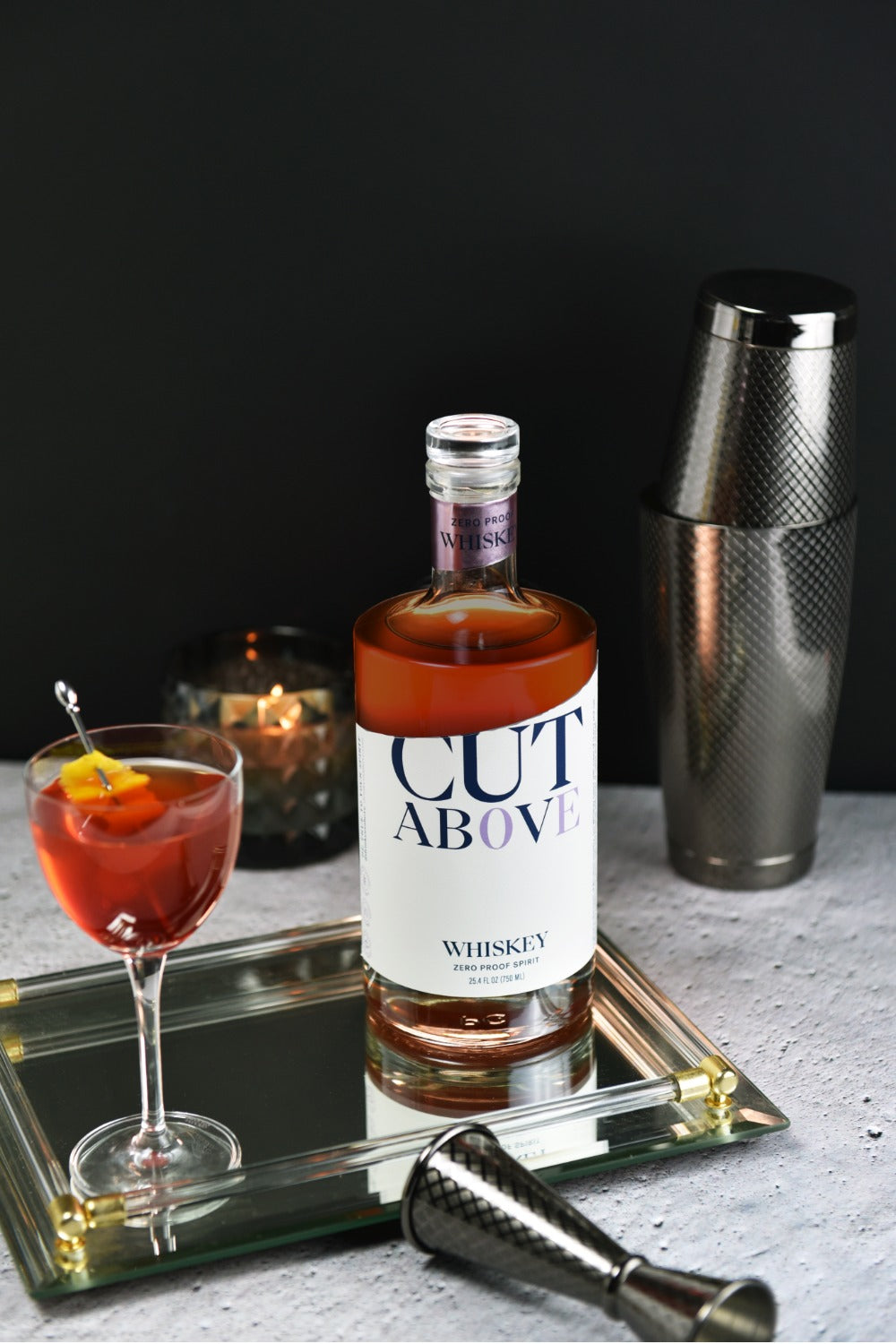
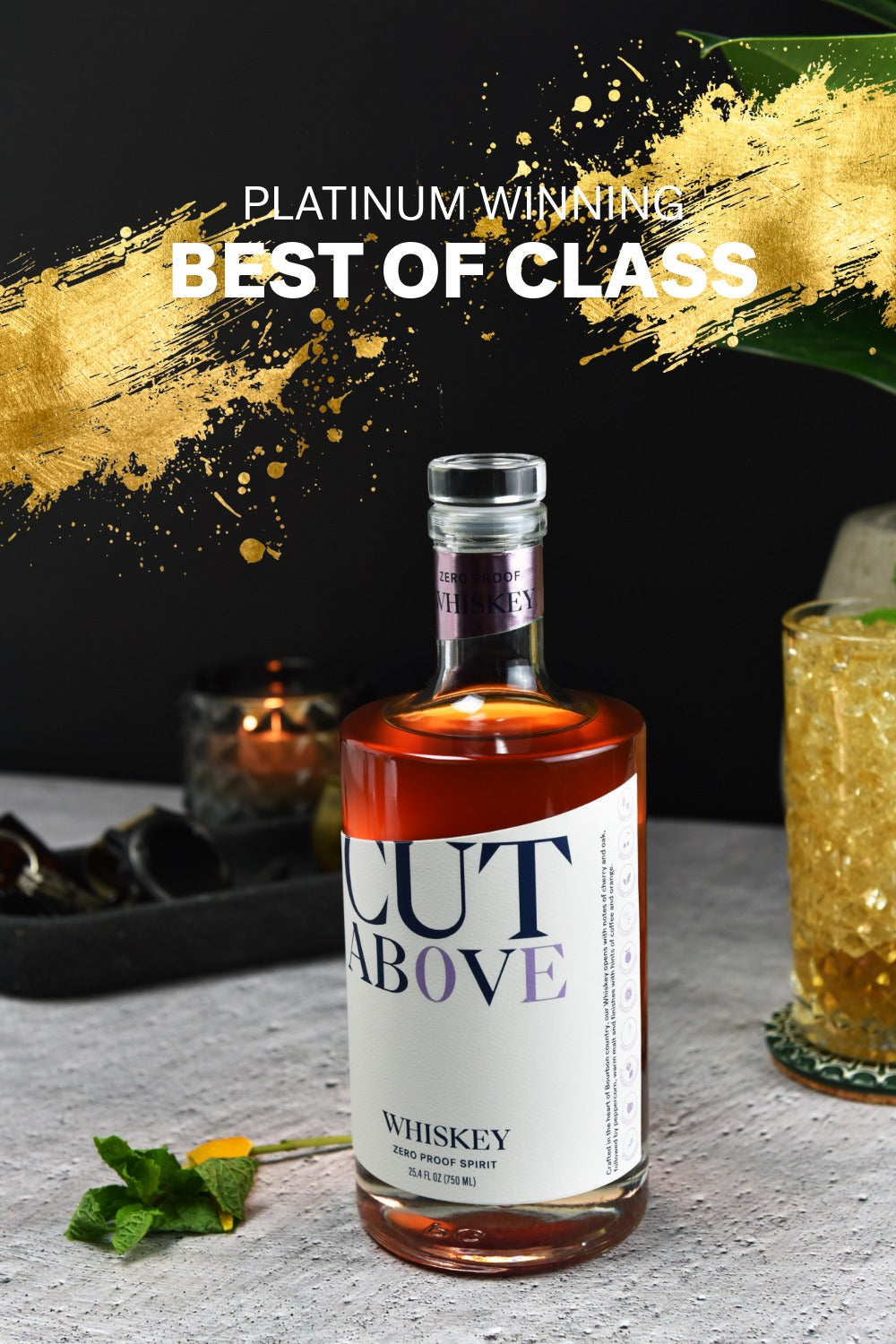
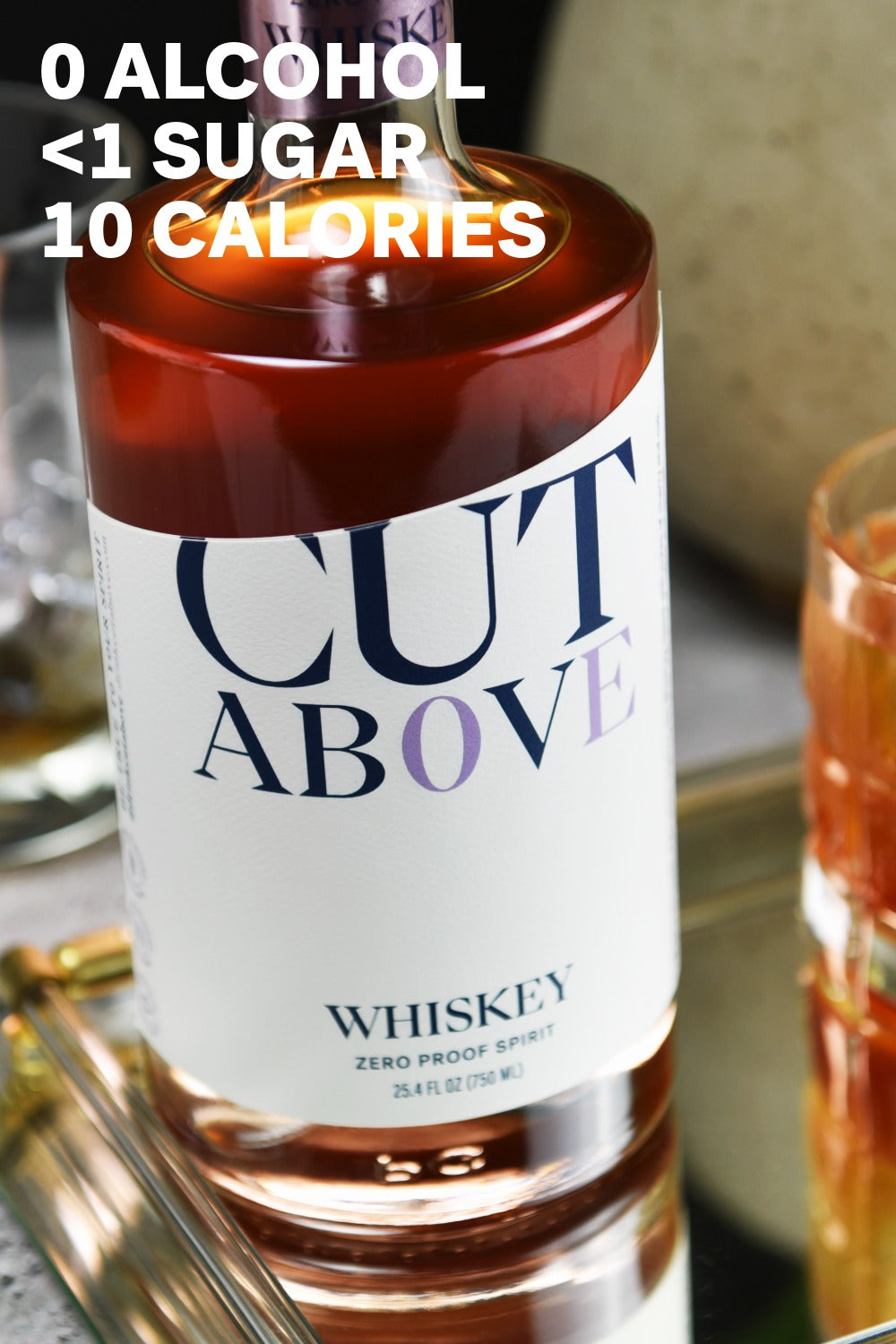
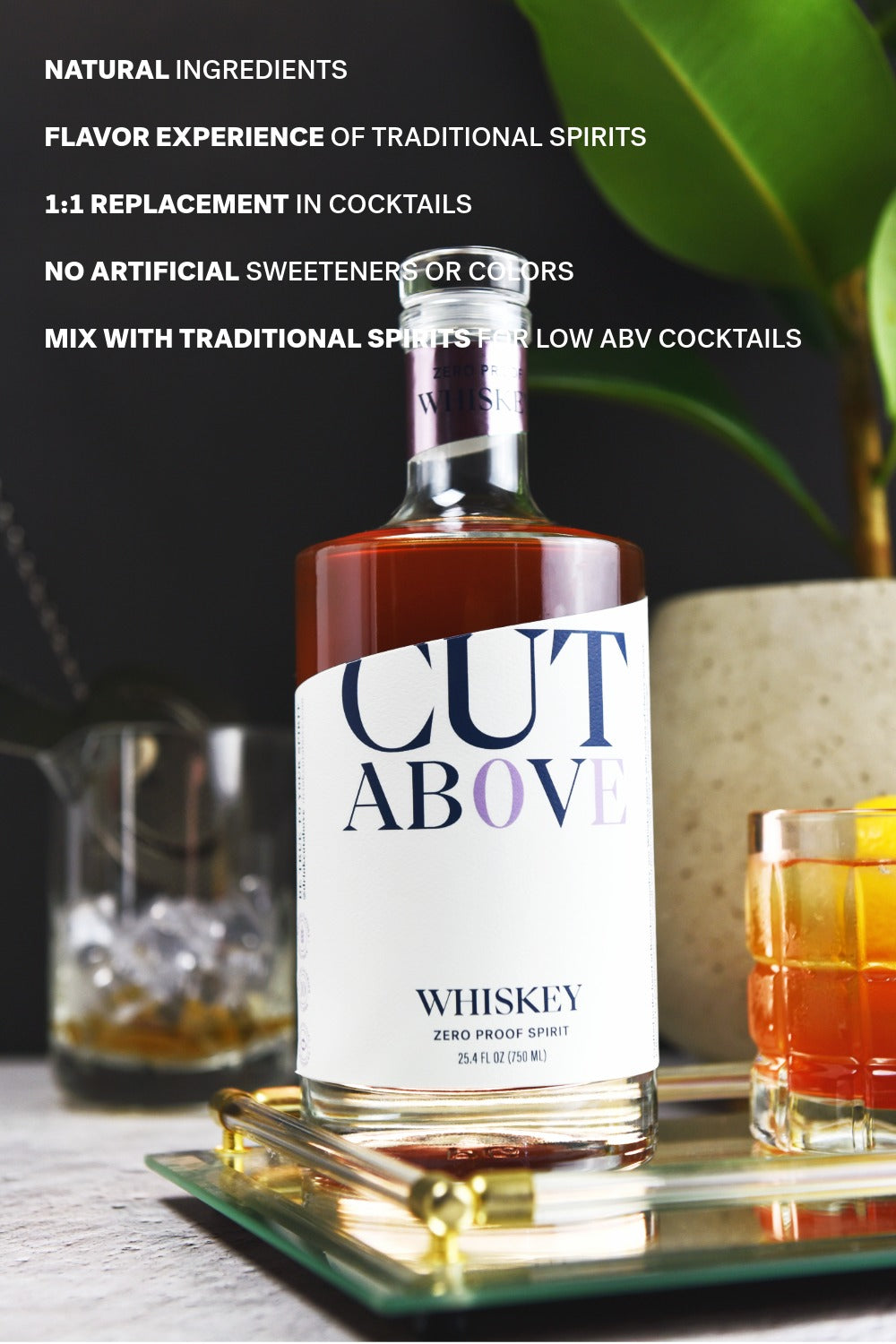
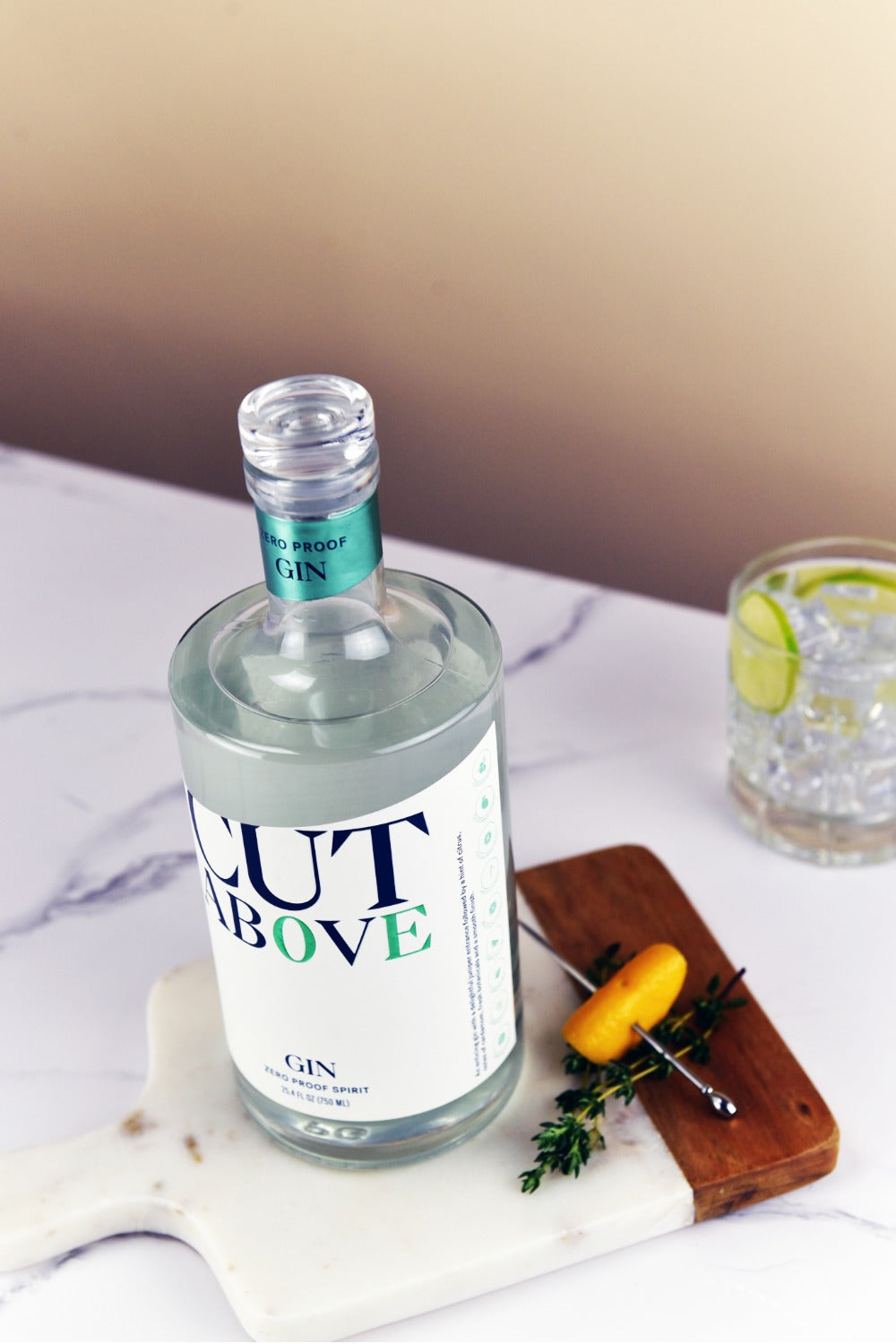
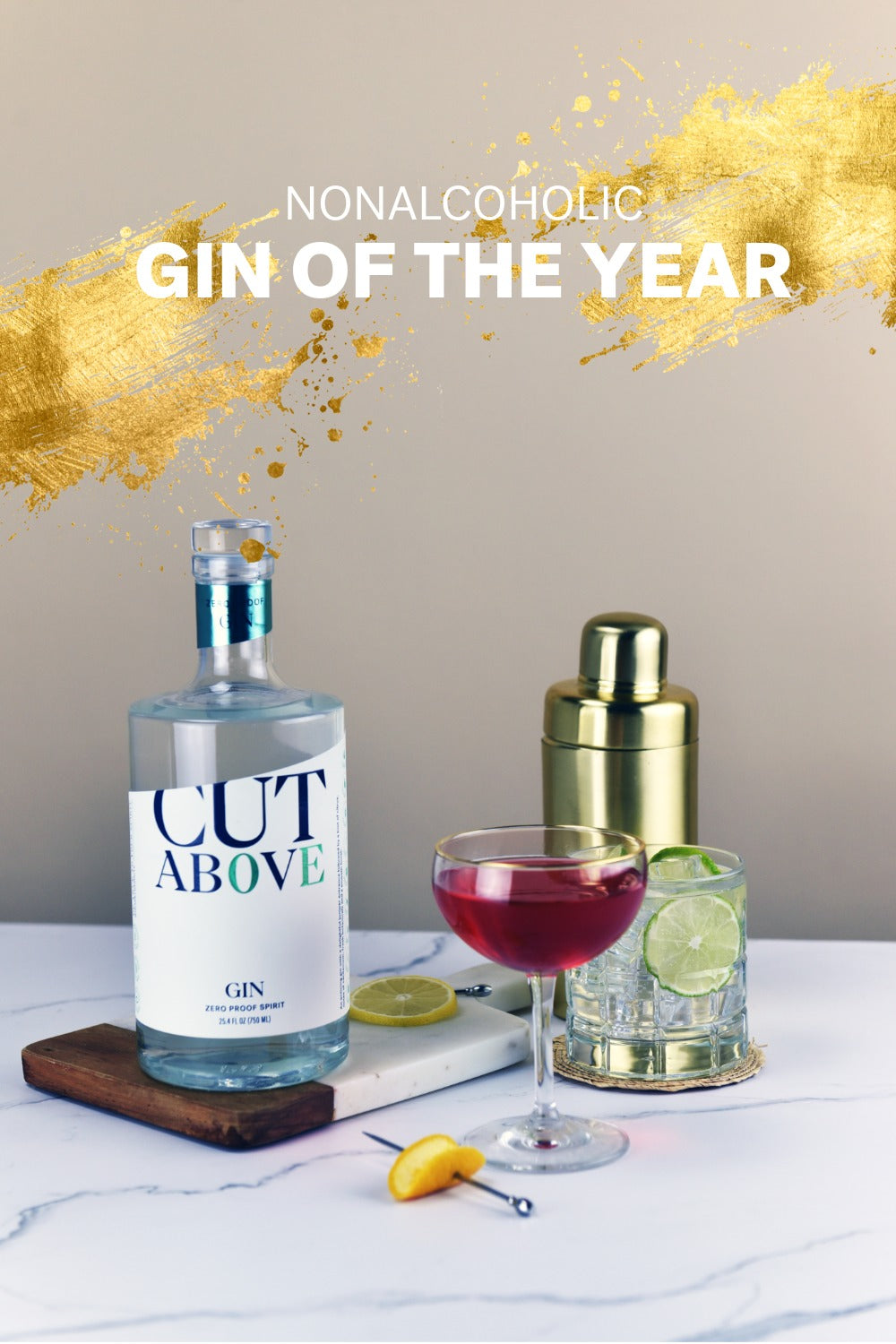
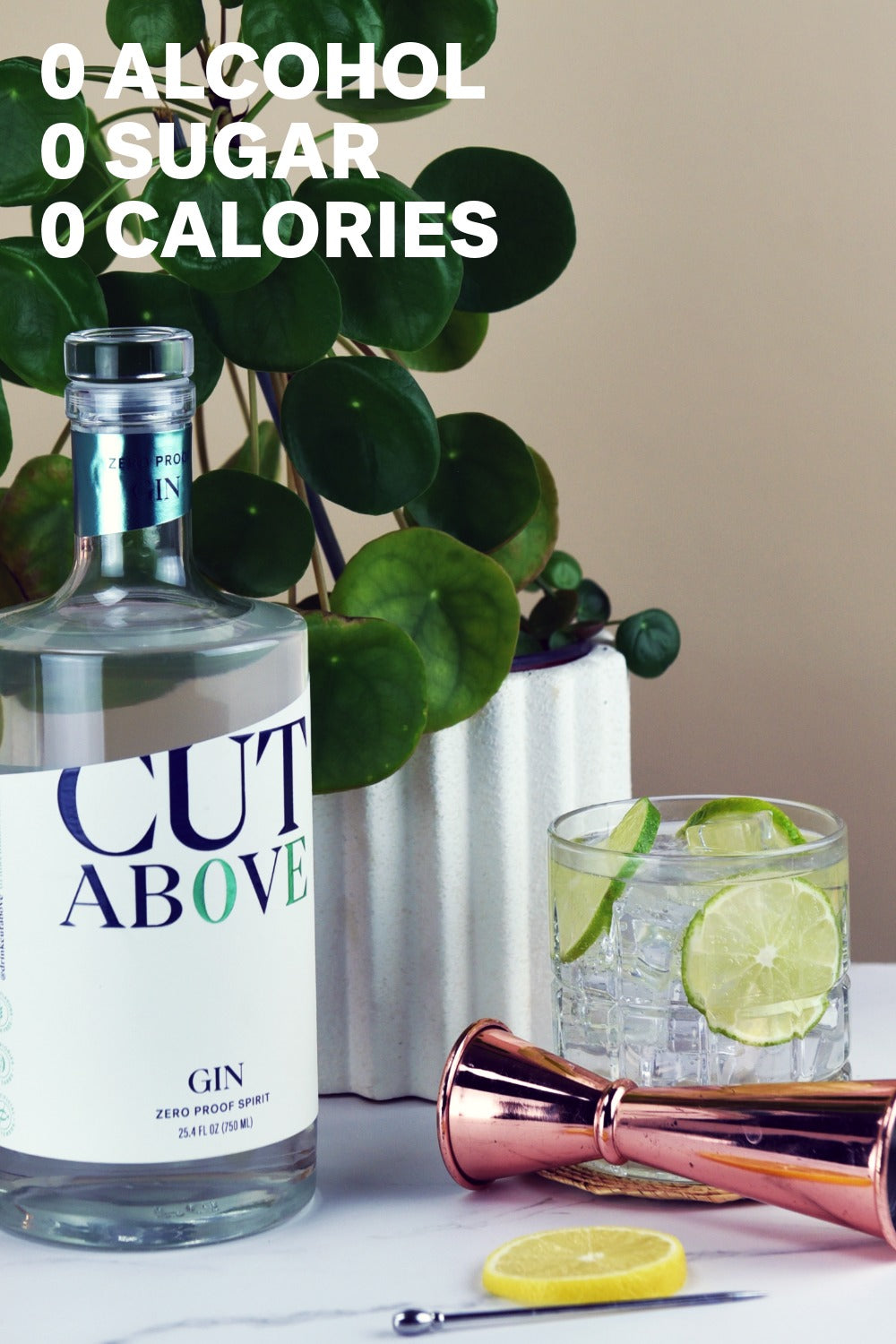
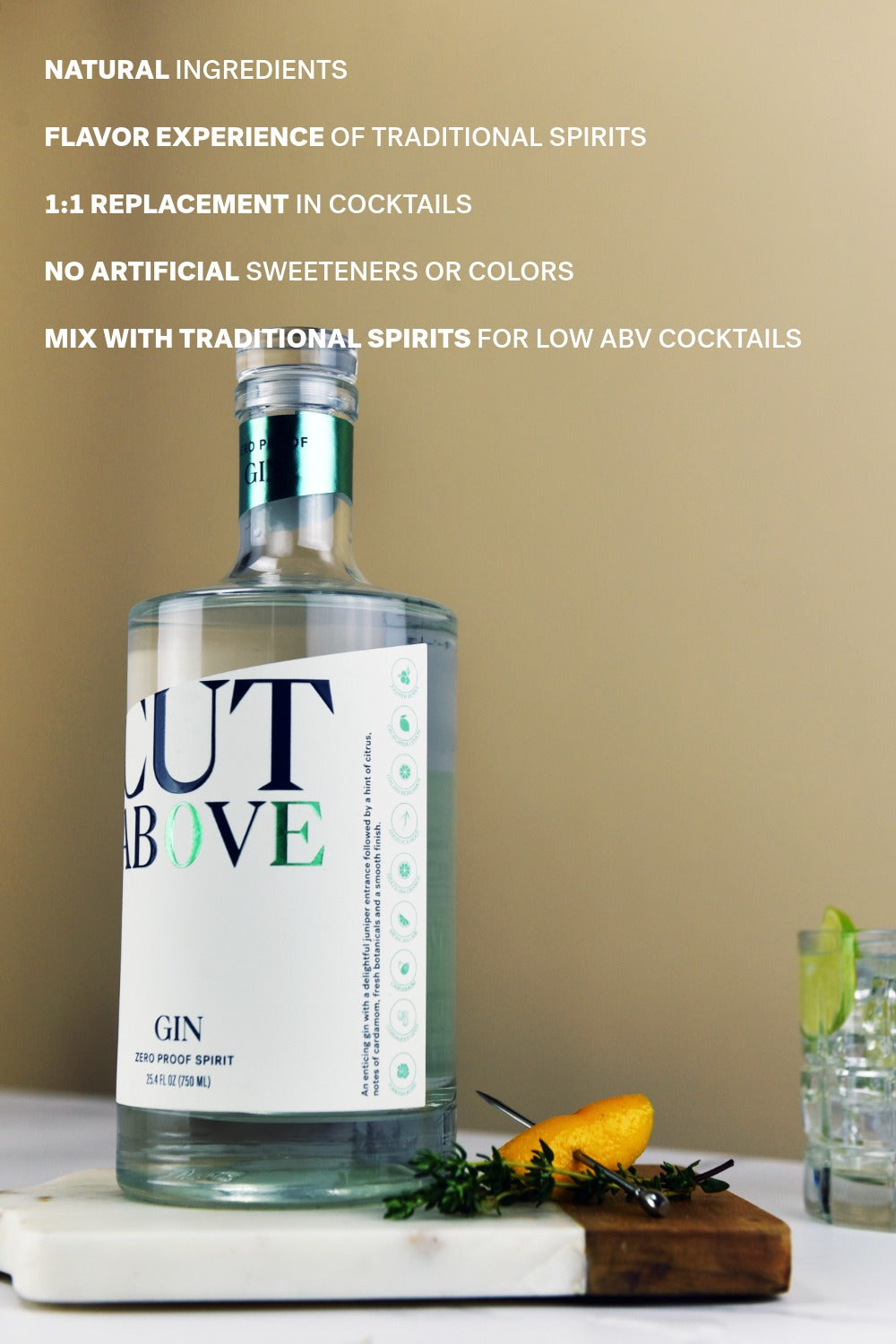
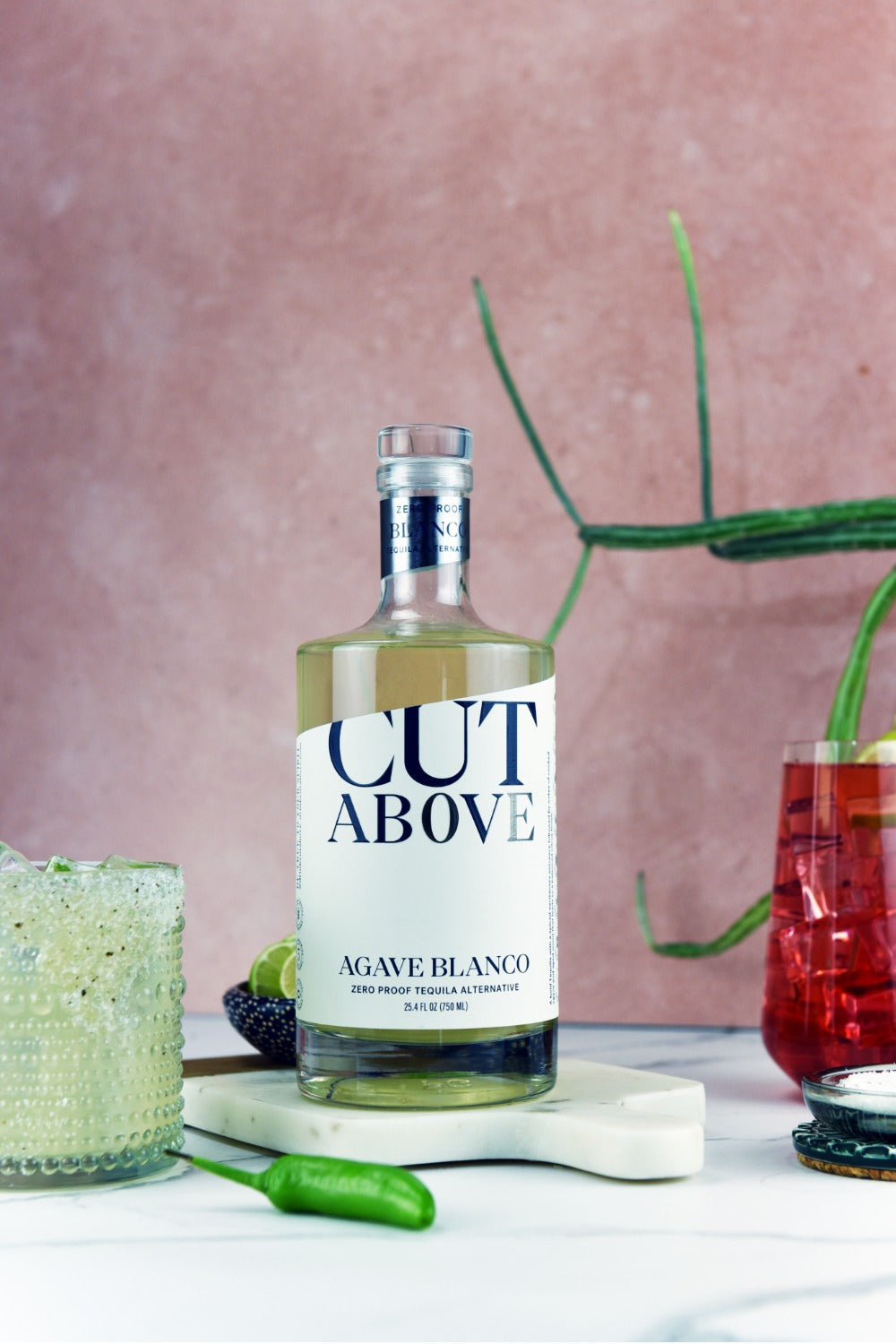
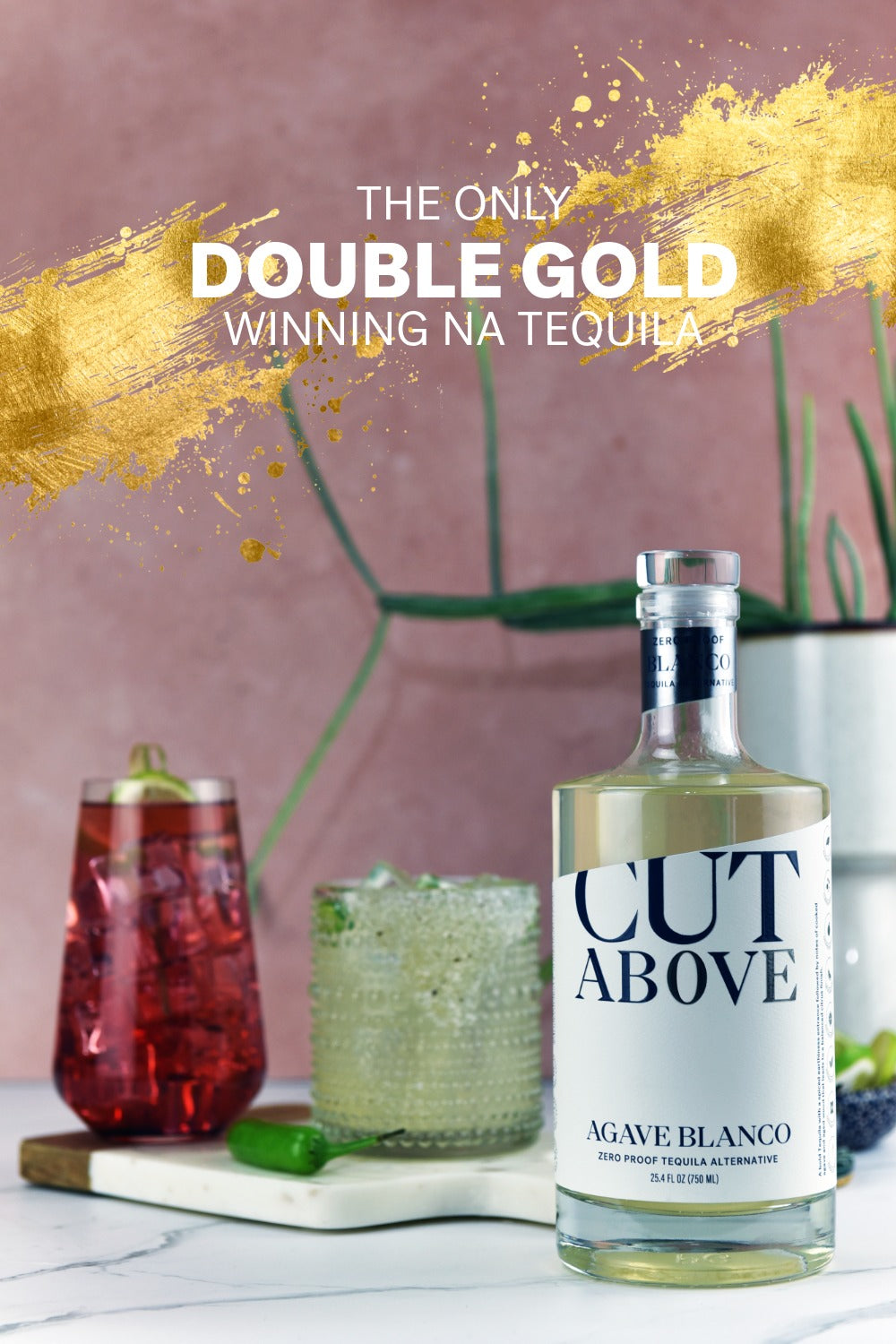
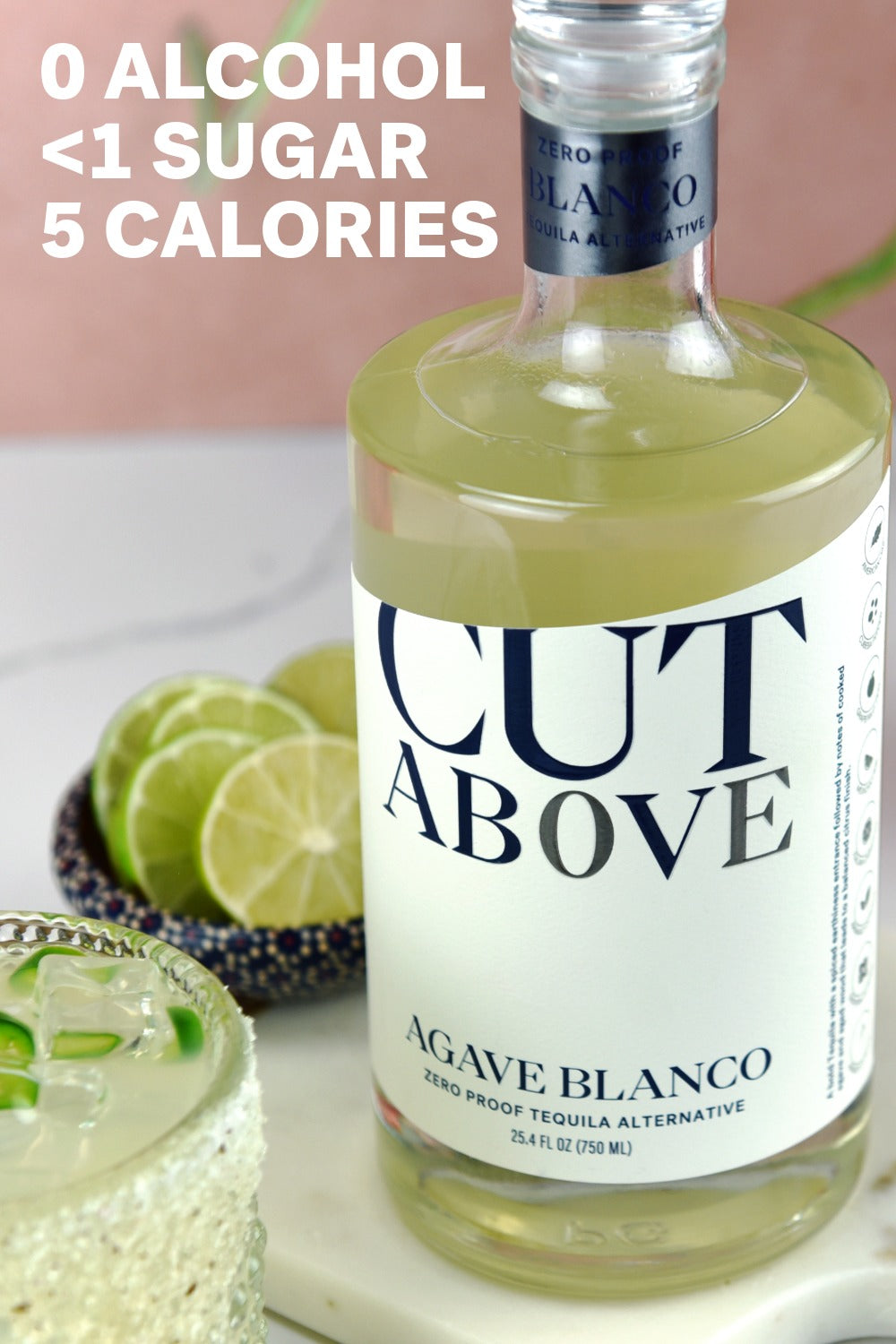
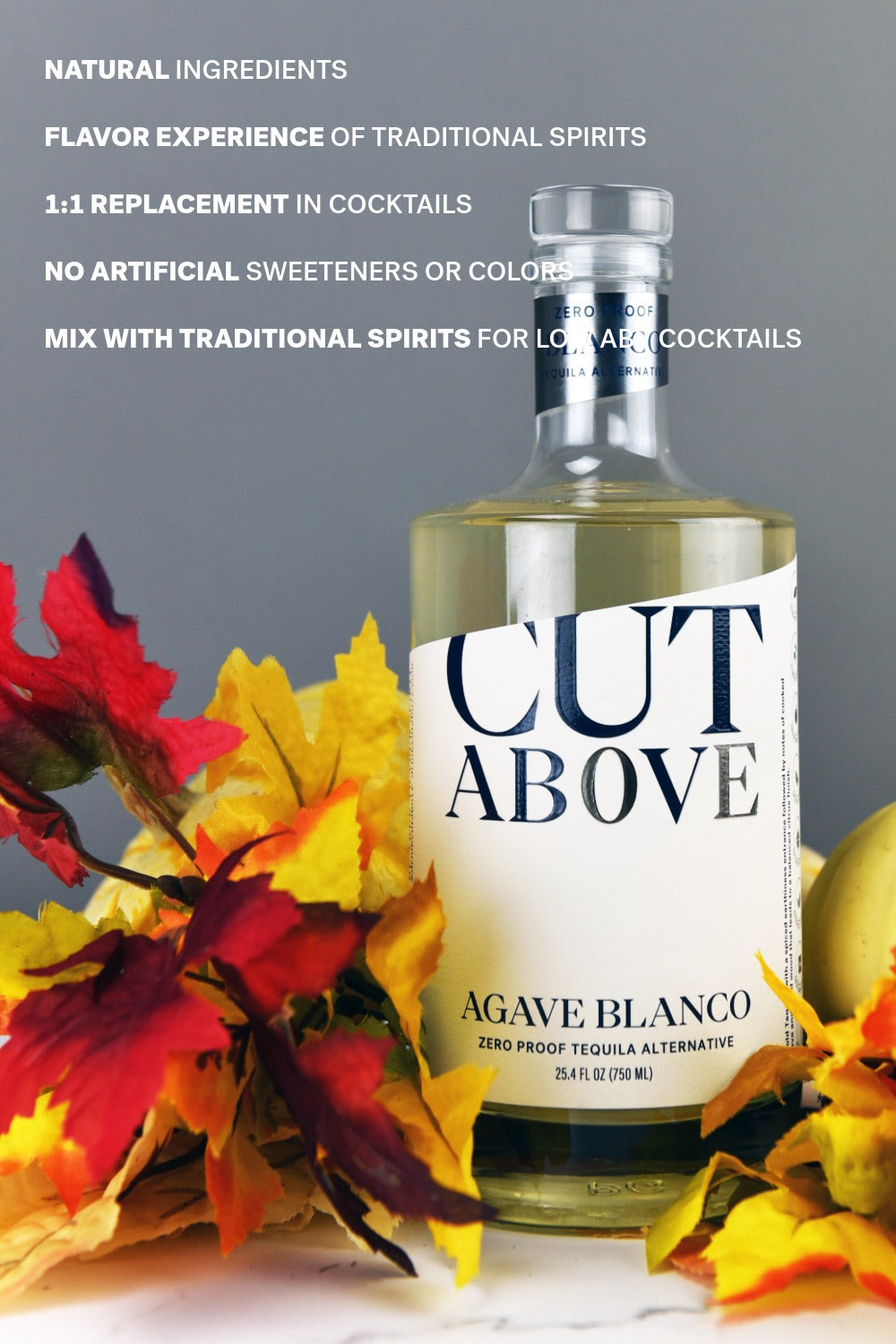
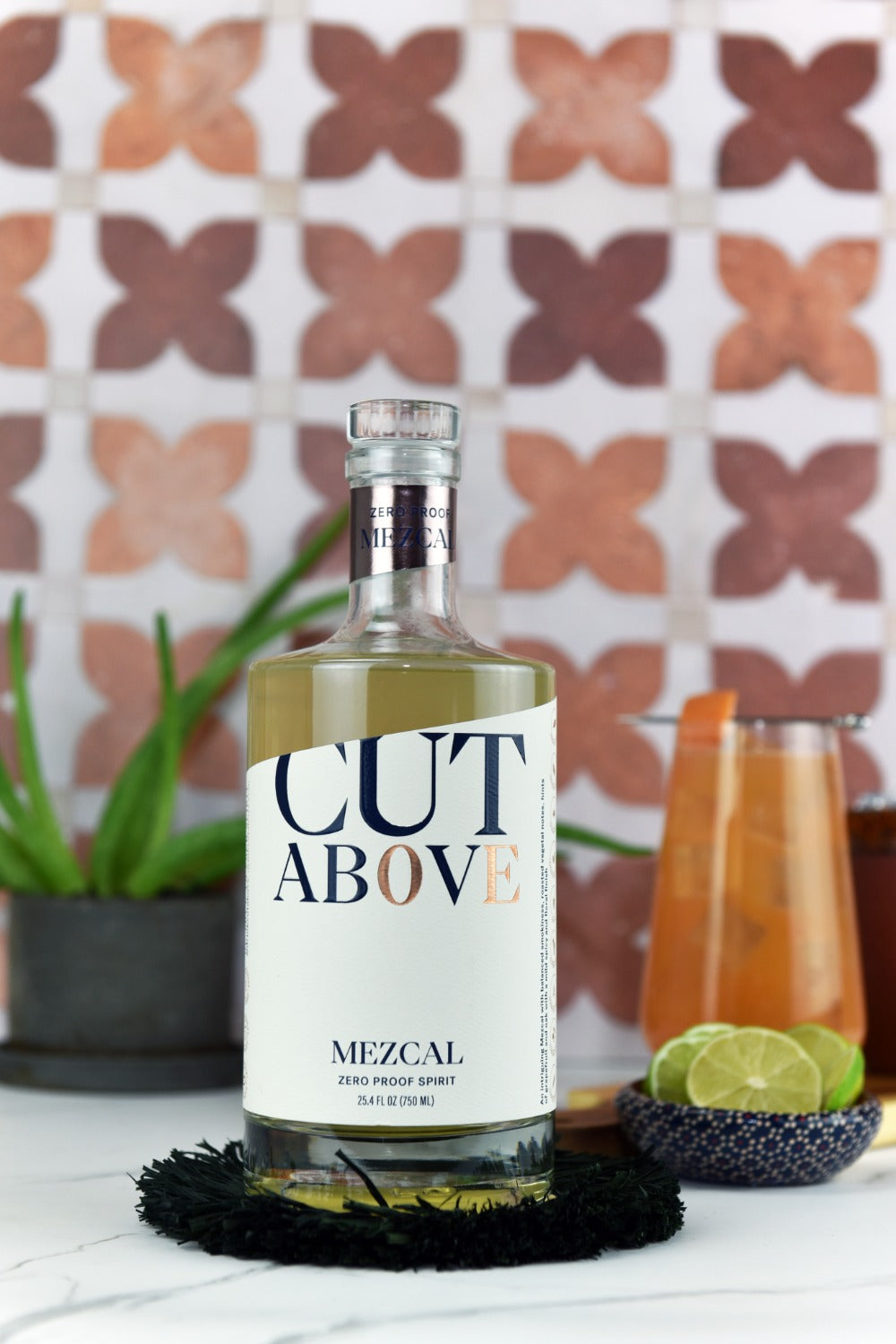
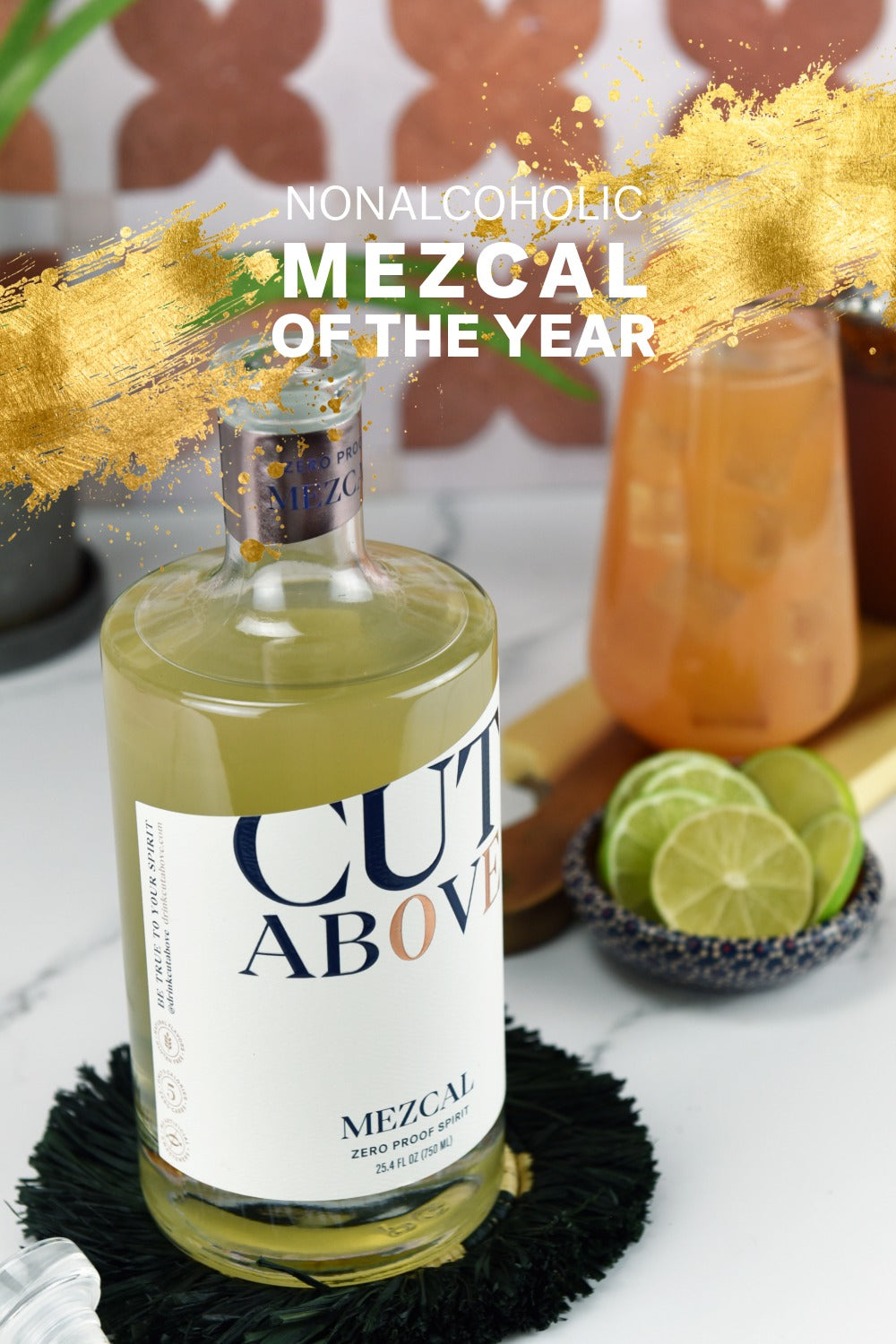
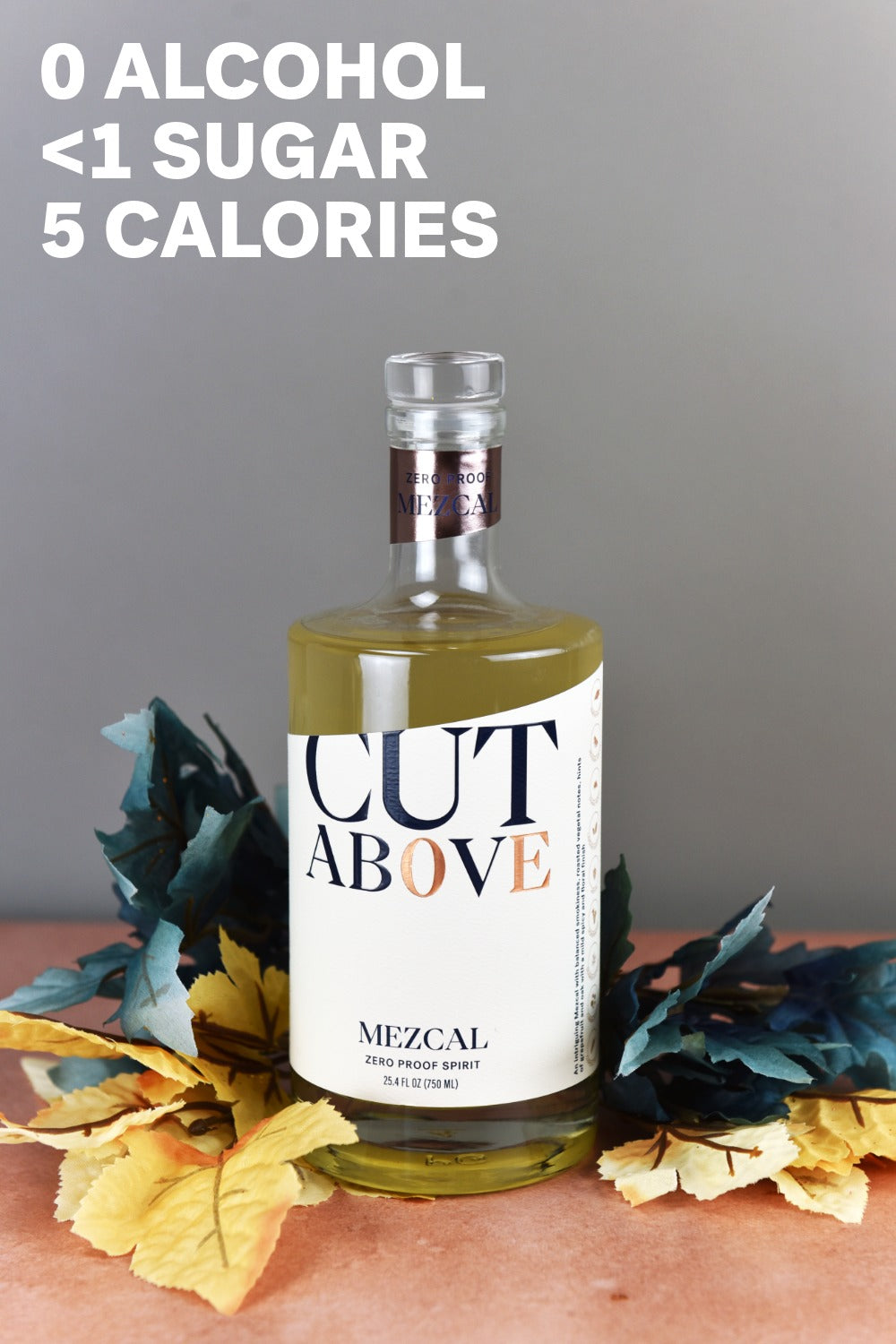
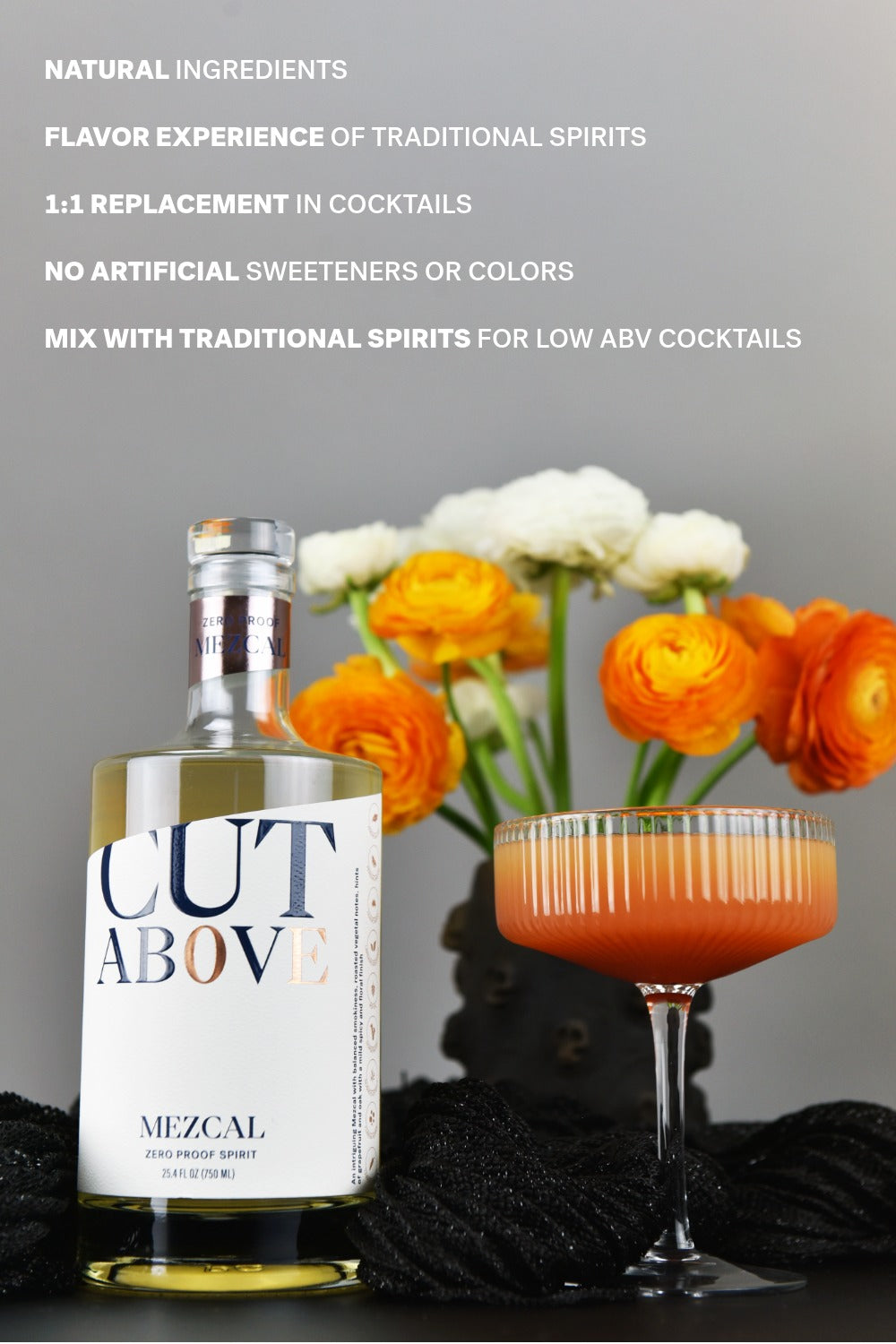
And now, they’re evolving again — this time with modern zero-proof spirits that bring the structure of classic cocktails without the compromise.





Share:
Spring Refresh: Light & Bright Mocktails to Welcome the Season
Why Zero-Proof Spirits Are the Next Big Thing in Wellness Culture