

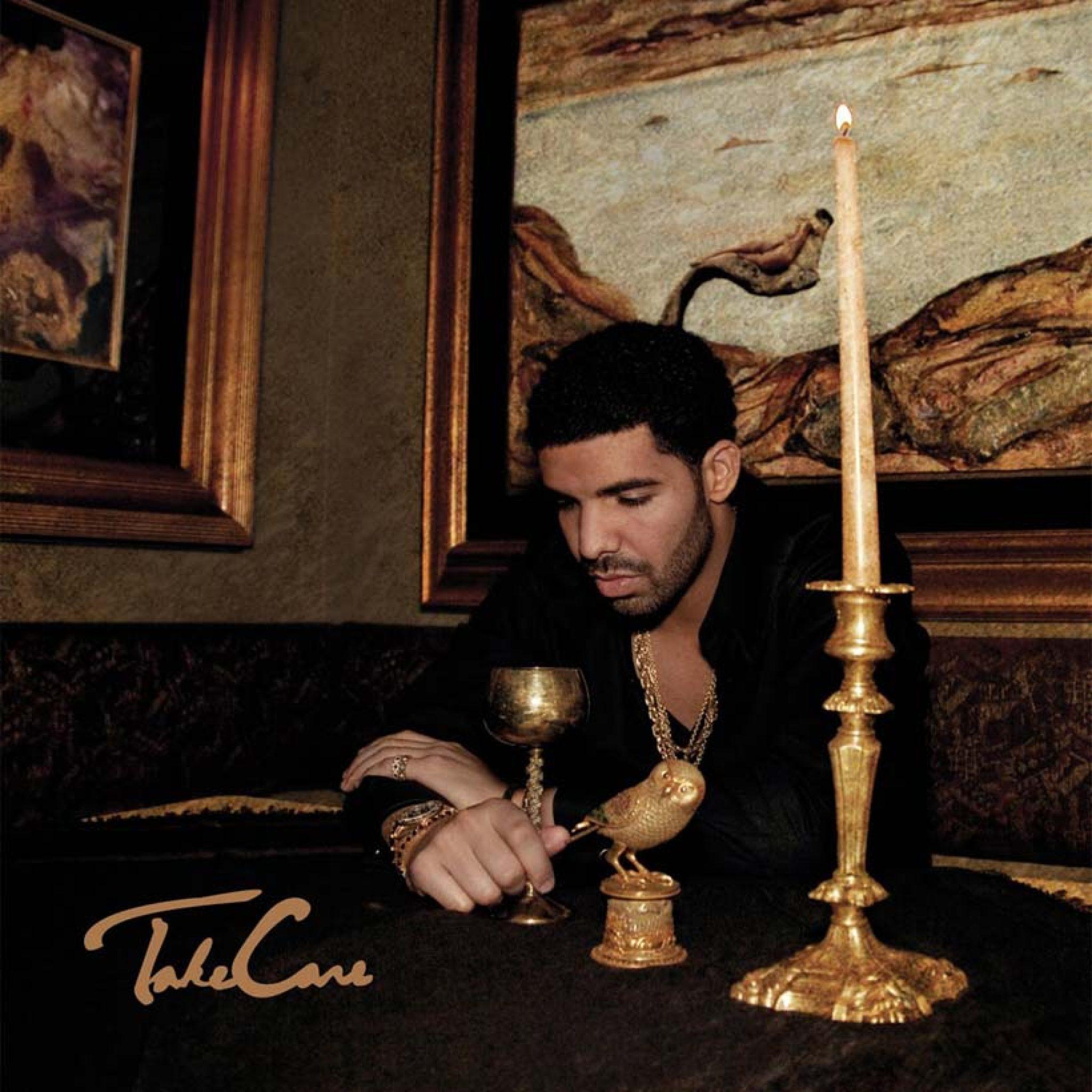
When Drake released Take Care, it didn’t just land it lingered. This wasn’t an album built for the daylight. It lived in dim rooms, glowing phone screens, and long drives where your thoughts get louder than the music.
Coming off fame, Drake leaned into contradiction: success paired with isolation, love tangled with mistrust, confidence constantly undercut by doubt. The album expands on his conflicted relationship with fame, relationships, and identity—balancing wealth and recognition with loneliness and emotional drift.
This is the deep cut truth: Take Care isn’t about having it all—it’s about realizing that “all” might not be enough.
The Emotional Blueprint of a Generation
Take Care reshaped the sound and tone of the 2010s by leaning fully into vulnerability. Instead of chasing dominance, Drake lets the music breathe, blending rap and R&B into something atmospheric and introspective. The production feels sparse but intentional, giving space for every thought to land heavier. Throughout the album, he reflects on fame that feels emptier than expected, relationships that blur between real and temporary, and the slow realization that personal growth often comes with distance from the people you once held close. It plays less like a performance and more like a confession unfolding in real time.vvvv
Where the Album Really Lives
The deeper cuts of Take Care are where its emotional weight settles in. “Marvin’s Room” moves like a voice memo you were never meant to hear, messy and unfiltered in a way that feels almost intrusive, capturing regret in its rawest form. “Look What You’ve Done” shifts the tone into something more reflective, grounding the album in family, memory, and the quiet acknowledgment of how far he’s come. “Doing It Wrong” lingers in that fragile space where endings are understood but not yet accepted, stretching out the feeling of holding on just a little too long. By the time “The Ride” closes things out, the perspective widens, pulling back to show the cost of everything gained—the distance, the pressure, and the subtle loss of self that comes with becoming someone the world recognizes.
Cocktail Pairing: Yuzu Mezcalrita
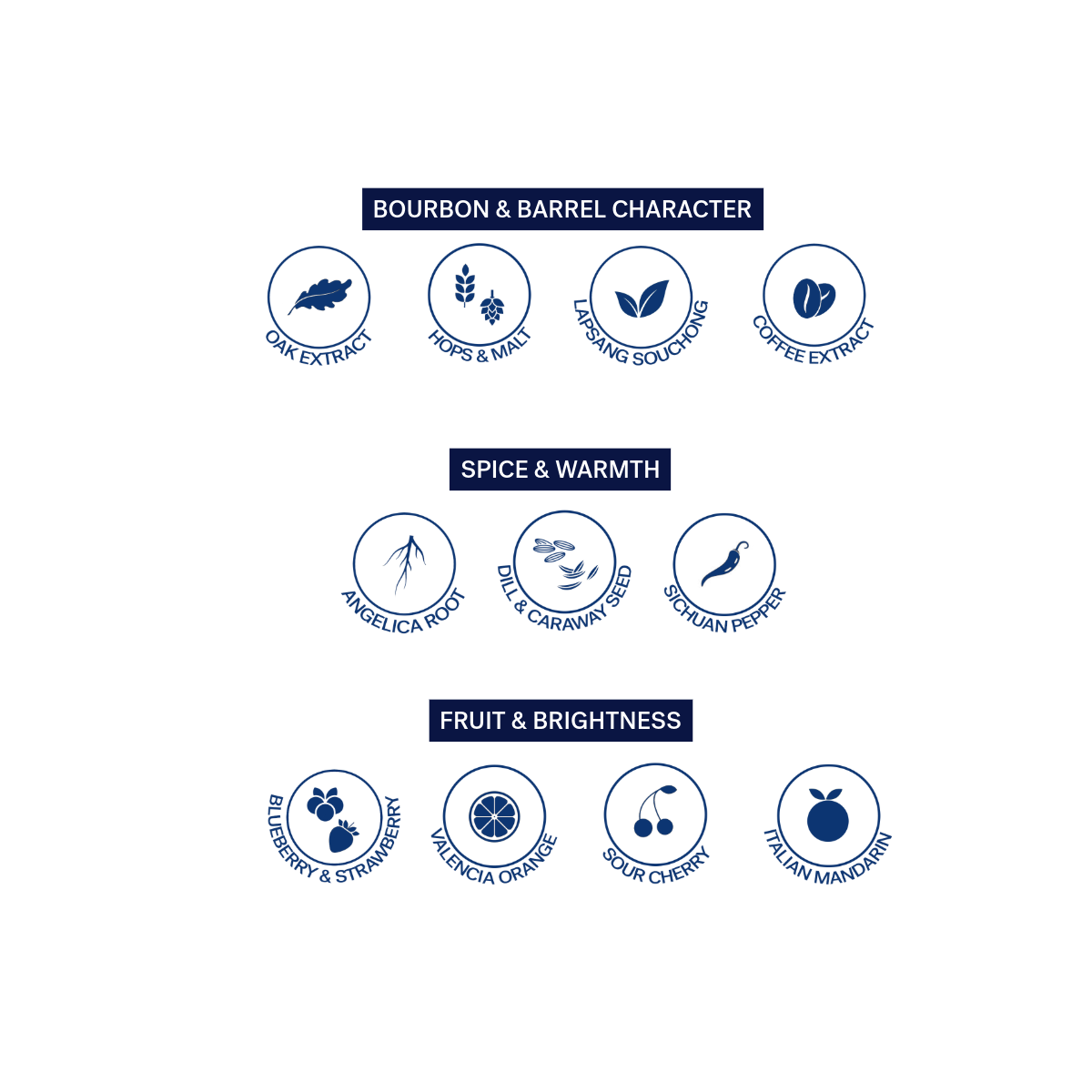
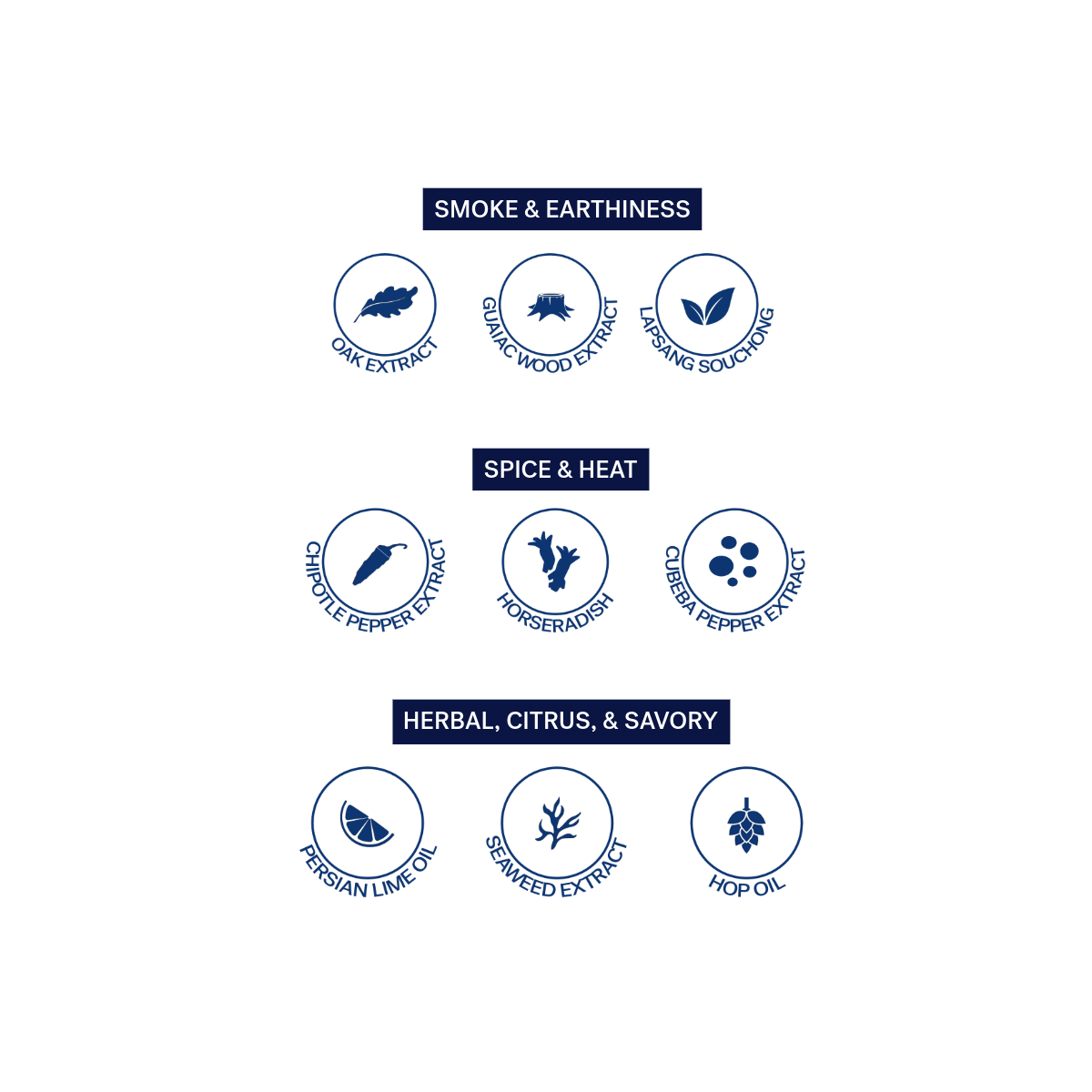
The Yuzu Mezcalrita mirrors Take Care in the way it builds complexity beneath a clean surface. The first sip is bright and citrus-forward, driven by yuzu’s sharp clarity, but that brightness quickly gives way to the smoky depth of mezcal lingering underneath. It’s a drink that evolves as you sit with it, revealing more the longer you stay present much like the album itself.
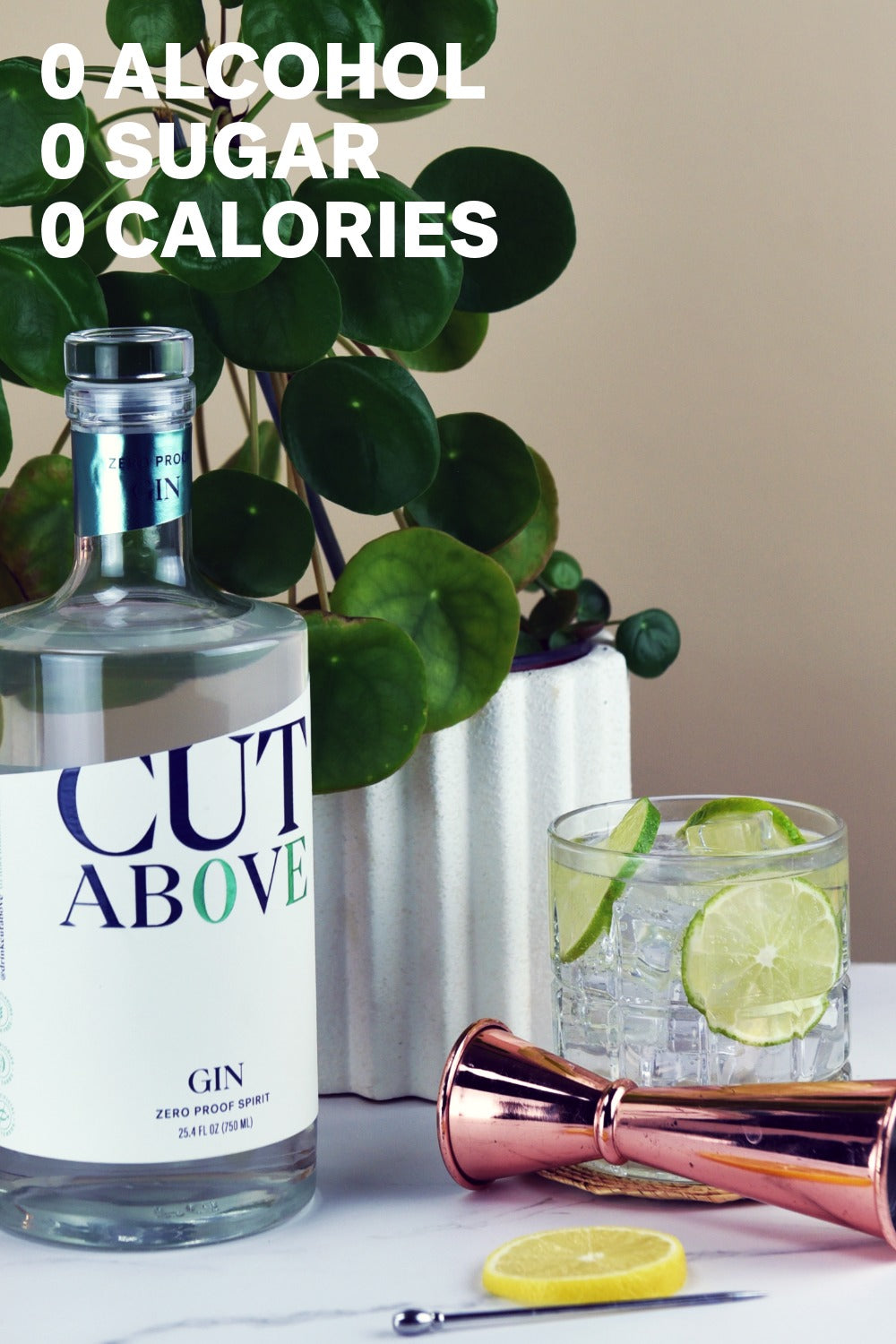
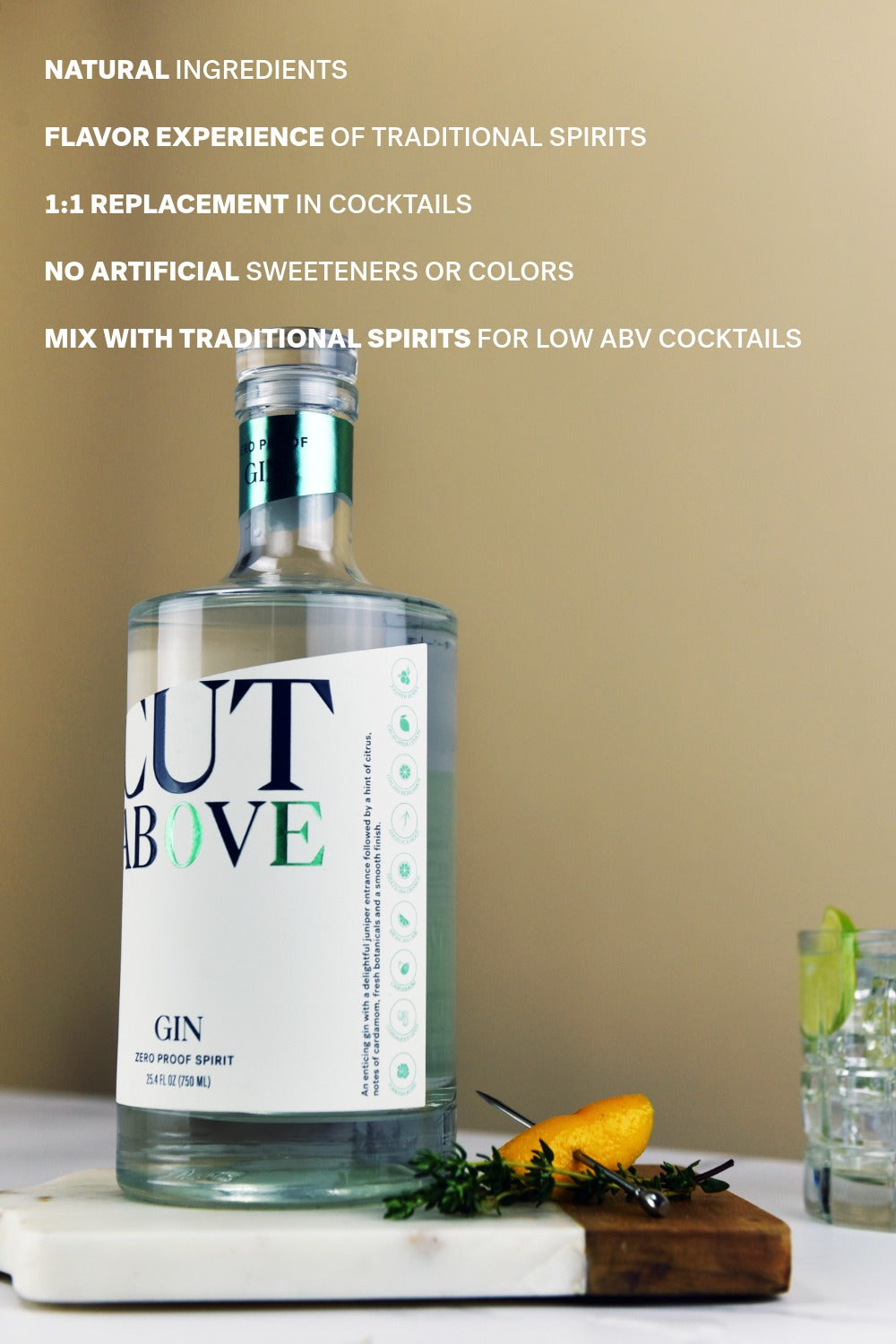
There’s a push and pull between lightness and weight, between freshness and something more grounded, making it the perfect companion for an album built on emotional contrast. Using zero-proof alternatives from Cut Above, you can recreate that layered experience without losing clarity, keeping the focus on flavor, feeling, and the moment itself.
The Deep Cut Takeaway: Sit With It
Take Care doesn’t try to resolve the emotions it explores—it simply gives them space to exist. That’s what makes it linger. It’s not about closure or clean endings, but about recognizing the complexity of where you are and allowing it to be enough. Like the Yuzu Mezcalrita, it’s something you don’t rush through. You let it unfold, sip by sip, track by track, until you realize the experience wasn’t about getting somewhere—it was about understanding where you already are.
And remember: with Cut Above, you can always go your own way—without the hangover.
Check it out on our Spotify playlist
Let us know your thoughts @drinkcutabove
Cheers!































Share:
Nirvana – Nevermind (1991)
RÜFÜS DU SOL - Bloom (2016)